Laksa Calories Singapore: Curry, Assam & Katong Laksa Compared
Laksa is Singapore's most iconic noodle dish — a bowl of rich, aromatic gravy loaded with rice vermicelli, prawns, fish cake, cockles, and tau pok. It is also one of the most calorie-dense and sodium-heavy meals at the hawker centre.
According to HPB Singapore's food composition database, a standard bowl of curry laksa contains approximately 429 kcal — a moderate calorie count for a full meal. The real surprise is sodium: the same bowl carries around 3,086mg, which is over 150% of your entire recommended daily sodium limit in one dish. Add a glass of teh tarik and you are already at over 550 kcal, and well past your sodium budget, before you leave the table.
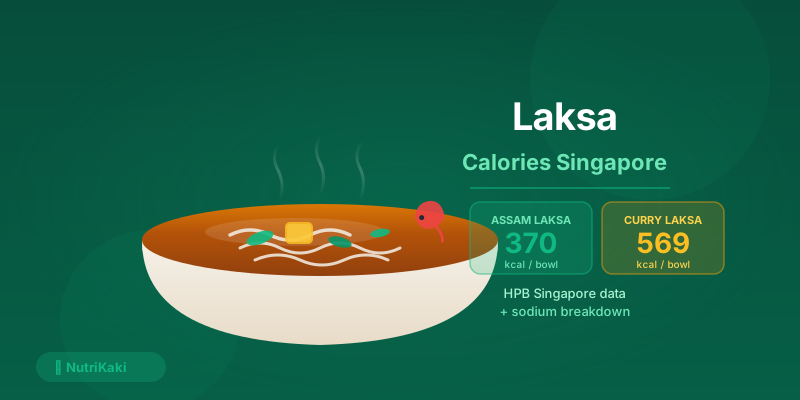
But not all laksa is created equal — even if not always in the way you'd expect. Assam laksa uses a tamarind and fish broth base with no coconut milk, and comes in at a very similar 433 kcal, though with much less fat. Katong laksa, with its richer coconut gravy, is estimated somewhat higher, though HPB does not have a separately verified figure for it. This guide breaks it all down so you know exactly what you are eating.
Laksa Calories at a Glance
*Katong/Peranakan laksa has no separately verified HPB entry — this figure is an estimate extrapolated from the verified Curry Laksa data, not an independently tested value.
The Full Calorie and Nutrition Breakdown
| Laksa Type | Calories | Protein | Fat | Carbs | Sodium |
|---|---|---|---|---|---|
| Assam Laksa | 433 kcal | ~20g | 4.8g | ~77g | 2,789mg |
| Curry Laksa (standard) | 429 kcal | 20g | 17.8g | 47g | 3,086mg |
| Curry Laksa (extra toppings) | ~470–500 kcal (est.) | ~23g | ~21g | ~50g | ~3,200mg (est.) |
| Katong / Peranakan Laksa* | ~460–500 kcal (est.) | ~21g | ~20g | ~50g | ~3,150mg (est.) |
| Laksa + Teh Tarik | ~501 kcal | ~21g | ~18g | ~59g | 3,118mg |
*Katong/Peranakan laksa has no separately verified HPB entry. Its figures above are estimates extrapolated from the verified Curry Laksa data, not independently tested values.
Why Laksa Is So High in Sodium
Laksa's calorie count (429 kcal) is actually fairly moderate for a full meal — carbohydrates from the rice vermicelli noodles make up close to half of that, with fat from the coconut milk gravy contributing a bit over a third. The real outlier is sodium. A standard bowl of curry laksa gravy is built on a concentrated spice paste (rempah) and fish-based stock that HPB measures at roughly 3,086mg of sodium per bowl — more than a full day's recommended intake in one dish.
Katong laksa is generally assumed to be somewhat richer than a standard hawker curry laksa, since the Peranakan-style recipe uses a more concentrated coconut gravy with more laksa leaf (daun kesom). HPB does not have a separately tested entry for it, so treat any Katong-specific figures in this guide as estimates rather than verified values.
Calorie Breakdown by Component
| Component | Approx. Calories | Key Nutrient |
|---|---|---|
| Rice vermicelli (bee hoon, 1 portion) | ~140–160 kcal | Carbohydrates |
| Prawns (4–5 medium) | ~35–45 kcal | Protein ✅ |
| Fish cake (2 slices) | ~30–40 kcal | Protein ✅ |
| Tau pok (tofu puffs, 2–3 pieces) | ~35–45 kcal | Fat (oil-absorbed) |
| Cockles (5–8) | ~15–25 kcal | Protein ✅ |
| Hard-boiled egg (half) | ~25–35 kcal | Protein ✅ |
| Coconut curry gravy (full ladle, ~250ml) | ~90–110 kcal | Sodium + saturated fat ⚠️ |
| Sambal chilli (1 tsp) | ~10–18 kcal | Added sugar |
Component figures are approximate splits of the verified 429 kcal HPB total and will not add up exactly due to rounding. The gravy's sodium contribution (well over half the bowl's 3,086mg) is far larger than its calorie share.
Assam Laksa: The Lower-Calorie Alternative
If you love laksa but are watching your calories, assam laksa is a genuinely different dish worth exploring. Instead of a coconut milk base, assam laksa uses a broth made from tamarind (assam), poached mackerel (ikan kembung), lemongrass, and chilli. The result is a tangy, fish-forward broth that carries significantly less fat.
A standard bowl of assam laksa runs approximately 433 kcal — based on HPB's own data, that's actually very close to curry laksa's 429 kcal, not meaningfully lower. Where assam laksa does win is fat: it drops from curry laksa's 17.8g to just 4.8g per bowl. Sodium, however, is still very high at around 2,789mg — lower than curry laksa's 3,086mg, but still well over your entire daily recommended intake in one bowl.
The trade-off: assam laksa has a sharper, more polarising flavour. It is an acquired taste, and not all hawker centres serve a good version. If you're choosing it to save calories, it isn't the swap you might expect — but it remains a genuinely lower-fat option, and every bit of sodium reduction helps.
How to Order Laksa to Reduce Calories
Laksa vs Other Singapore Noodle Dishes
| Dish | Approx. Calories | Sodium | Verdict |
|---|---|---|---|
| Assam Laksa | 433 kcal | 2,789mg | ⚠️ Lower fat, still very high sodium |
| Ban Mian (dry, soup served separately) | 676 kcal | 1,819mg | ⚠️ Lower sodium than laksa, still high-cal |
| Wonton Mee (dry) | 625 kcal | 1,564mg | ✅ Lowest sodium of this group |
| Curry Laksa | 429 kcal | 3,086mg | ❌ Moderate cal, extremely high sodium |
| Hokkien Mee | 830 kcal | 1,938mg | ❌ Highest calories of this group |
| Katong Laksa* | ~460–500 kcal (est.) | ~3,150mg (est.) | ❌ Very high sodium (estimated) |
| Mee Goreng | 856 kcal | 3,050mg | ❌ High calories and sodium |
*Katong laksa figures are estimates extrapolated from the verified Curry Laksa data — HPB has no separately tested entry for it. All other figures above are HPB-verified default-portion values.
Is Laksa Suitable for Weight Loss?
From a calorie standpoint, laksa can coexist with a weight-loss diet reasonably easily. At 429 kcal per bowl, it is a moderate meal, not an outrageous one — the problem comes when you add a sugary drink, eat it daily, and finish every drop of the gravy.
The practical approach: if laksa is your lunch, keep breakfast light (below 300 kcal) and dinner moderate (below 400 kcal). That keeps your daily total under roughly 1,130 kcal from meals — which is a meaningful deficit for most adults.
The real concern for regular laksa eaters isn't calories — it's sodium. At 3,086mg per bowl, a single serving of laksa already exceeds the entire 2,000mg daily recommended sodium limit. Eating laksa even a couple of times a week means several days where you've blown past your sodium allowance by lunchtime, regardless of how careful you are with the rest of your calories. Over time, this increases the risk of high blood pressure — which is already Singapore's leading chronic disease risk factor.
Frequently Asked Questions
A standard bowl of Singapore curry laksa contains approximately 429 calories, based on HPB Singapore's own 604g reference bowl. Assam laksa is very similar at 433 kcal (HPB's 734g reference bowl). Katong laksa, with its richer coconut gravy, is estimated somewhat higher at around 460 to 500 kcal — but HPB does not have a separately verified figure for it.
Laksa provides a reasonable balance of protein (from prawns, fish cake, and cockles), carbohydrates (from rice vermicelli), and fat (from coconut milk). The main health concern is sodium: HPB's data puts a standard bowl at around 3,086mg — over 150% of the full daily recommended limit of 2,000mg, in one meal. Eaten occasionally, laksa can be part of a balanced diet. Eaten regularly, the sodium load is a meaningful health risk regardless of how the rest of your calories look.
Katong laksa (also known as Peranakan or East Coast laksa) does not have a separately verified entry in HPB's database. Based on it typically using a richer, more concentrated coconut gravy than standard curry laksa, a reasonable estimate — extrapolated from HPB's verified 429 kcal curry laksa figure — is roughly 460 to 500 kcal per bowl. Treat this as an estimate rather than a lab-tested value.
Based on HPB's own reference bowls, curry laksa (429 kcal) and assam laksa (433 kcal) are almost identical in calories — assam is not the lighter option people often assume. The real difference is fat: curry laksa's coconut milk base gives it 17.8g of fat per bowl, while assam laksa's tamarind-and-mackerel broth has no coconut milk and comes in at just 4.8g of fat.
The most effective strategy is to ask for less gravy — this is your biggest lever for cutting sodium and fat, since the coconut curry gravy is the main source of both, even though it isn't the largest calorie contributor (the noodles are). Skipping or reducing tau pok (tofu puffs) saves another 35 to 45 kcal. Pairing with water or kopi-o kosong instead of teh tarik saves around 130 kcal. Choosing assam laksa over curry laksa won't save you meaningful calories, but it does cut fat roughly in half.
Yes — curry laksa is one of the highest-sodium hawker dishes available, at approximately 3,086mg per bowl according to HPB. HPB Singapore recommends no more than 2,000mg of sodium per day, so a single bowl of laksa already exceeds your entire daily allowance. Most of the sodium comes from the laksa paste and the concentrated coconut gravy. Drinking the soup down to the last drop significantly increases your sodium intake versus leaving some gravy in the bowl.
Nutrition data sourced from the Health Promotion Board (HPB) Singapore food composition database. Calorie and sodium values are approximate and vary by stall, gravy quantity, coconut milk concentration, and toppings. This article is for general wellness information only and does not constitute medical or dietary advice. Consult a registered dietitian for personalised nutrition guidance. Nutrition data referenced in this article is used under licence from the Health Promotion Board (HPB) of Singapore and may not be redistributed, republished, or reused commercially without NutriKaki's prior written permission.