Mung Bean Nutrition: Calories & Protein in Beans, Sprouts, Starch
Mung bean shows up in Singapore kitchens in more forms than most people realise — as the dry green bean you soak for soup, as boiled mung bean dessert or porridge, as the beansprouts (tau gay) tossed into char kway teow and soup noodles, and as the starch behind glass noodles and hun kwee kueh. The confusing part is that these four forms have wildly different nutrition profiles, even though they all trace back to the same bean.
Treat them as one food and you'll get the numbers wrong. Raw dry mung bean is a genuinely strong plant-protein source. Boiled mung bean, the form you actually eat in a bowl, is a solid but much lighter version of that. Beansprouts are barely more than crunchy water. And mung bean starch has almost nothing to do with the bean's nutrition at all — it's essentially pure carbohydrate used as a thickener. This guide breaks down all four using HPB Singapore data, so you know what you're actually getting from each.
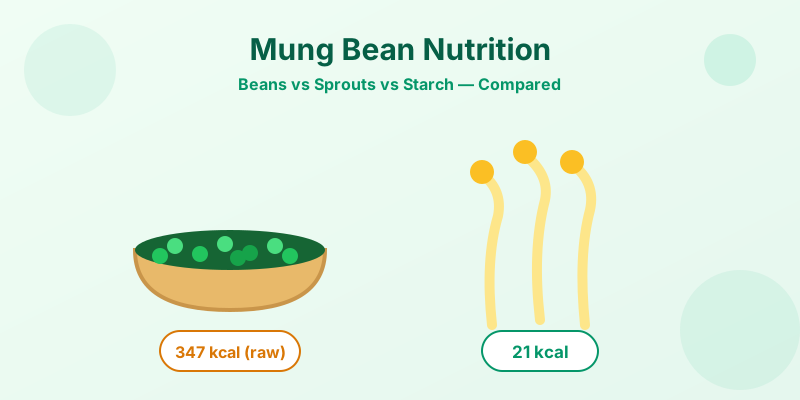
Mung Bean Forms at a Glance
The Full Nutrition Breakdown
| Form | Calories /100g | Protein | Fibre | Fat | Carbs | Sodium |
|---|---|---|---|---|---|---|
| Raw mung bean (dry) | 347 kcal | 23.86g | 16.3g | 1.15g | 62.62g | 15mg |
| Boiled mung bean | 105 kcal | 7.02g | 7.6g | 0.38g | 19.15g | 2mg |
| Boiled beansprouts (tau gay) | 21 kcal | 2.03g | 0.8g | 0.09g | 4.19g | 10mg |
| Mung bean starch (hun kwee flour) | 357 kcal | 0.17g | 0.9g | 0.05g | 88.61g | 4mg |
Notice how protein collapses across the table: 23.86g in the raw dry bean, 7.02g once boiled, 2.03g in beansprouts, and just 0.17g in the starch. That's not four versions of the same nutrition — it's four increasingly diluted or stripped-down products, and only the first two are meaningful protein sources.
Why Raw and Boiled Numbers Look So Different
347 kcal versus 105 kcal for the "same" bean looks like a mistake, but it isn't. The 347 kcal figure is for the dry, uncooked bean — dense, with almost no water content. When you soak and boil mung beans, they absorb a large amount of water and swell in size, so the same 100g weight after cooking contains far less concentrated bean and far more water.
This is normal for legumes and grains generally: dry weight and cooked weight are not comparable without adjusting for the water absorbed. If you're tracking what you actually eat, the boiled figure — 105 kcal, 7.02g protein per 100g — is the one that reflects a real bowl of mung bean soup or dessert. The 347 kcal figure is useful for understanding the bean's raw nutritional density, not for estimating a portion on your plate.
Beansprouts: Volume and Crunch, Not Protein
Beansprouts (tau gay) are mung beans that have been sprouted and are eaten fresh or lightly boiled, not dried or cooked down like the whole bean. At 21 kcal per 100g and just 2.03g of protein, they're nutritionally closer to a leafy vegetable than to a bean dish. They do add a small amount of fibre (0.8g per 100g) and a satisfying crunch to noodle dishes and soups, but you shouldn't count on them for protein the way you would whole boiled mung beans.
Mung Bean Starch: A Different Food Entirely
Mung bean starch — sold as green bean starch or hun kwee flour, and used to make glass noodles (tanghoon) and hun kwee kueh — is extracted from the bean, leaving almost all the protein and fibre behind. At 357 kcal per 100g with only 0.17g protein, 0.9g fibre and 88.61g carbohydrate, it's essentially a pure starch, closer in nutrition profile to cornflour or tapioca starch than to the mung bean it came from.
Practical Tips for Cooking with Mung Beans
Frequently Asked Questions
Yes. Raw dry mung beans contain 23.86g of protein per 100g, which is genuinely high for a plant food — comparable to many meats by weight of the dry bean. Once boiled and eaten as a dish, that same 100g portion delivers 7.02g of protein at only 105 kcal, still a solid contribution to a meal.
Boiled mung beans are 105 kcal per 100g, with 7.6g of fibre and 7.02g of protein. This is the practical, everyday figure for a bowl of cooked mung beans or mung bean soup, as opposed to the raw dry bean, which is much more calorie-dense before it absorbs water during cooking.
Beansprouts are very low in calories at just 21 kcal per 100g, so they're a good choice if you're watching calories and want more volume and crunch on your plate. They are not a meaningful protein source on their own, at only 2.03g protein per 100g — think of them as a light vegetable addition, not a bean substitute.
No, they are very different. Mung bean starch (used to make glass noodles and hun kwee) is 357 kcal per 100g and almost pure carbohydrate, with only 0.17g of protein and 0.9g of fibre. All the protein and most of the fibre from the original bean are removed during starch extraction, so starch should not be compared nutritionally to whole mung beans.
Raw dry mung beans are 347 kcal per 100g, while boiled mung beans are 105 kcal per 100g. The drop happens because dry beans absorb a large amount of water as they cook and swell, so the same weight of cooked beans contains far less concentrated nutrition than the same weight of dry beans.
Nutrition data sourced from the Health Promotion Board (HPB) Singapore food composition database. Calorie values are approximate and vary by brand, preparation and portion size. This article is for general wellness information only and does not constitute medical or dietary advice. Consult a registered dietitian for personalised nutrition guidance. Nutrition data referenced in this article is used under licence from the Health Promotion Board (HPB) of Singapore and may not be redistributed, republished, or reused commercially without NutriKaki's prior written permission.